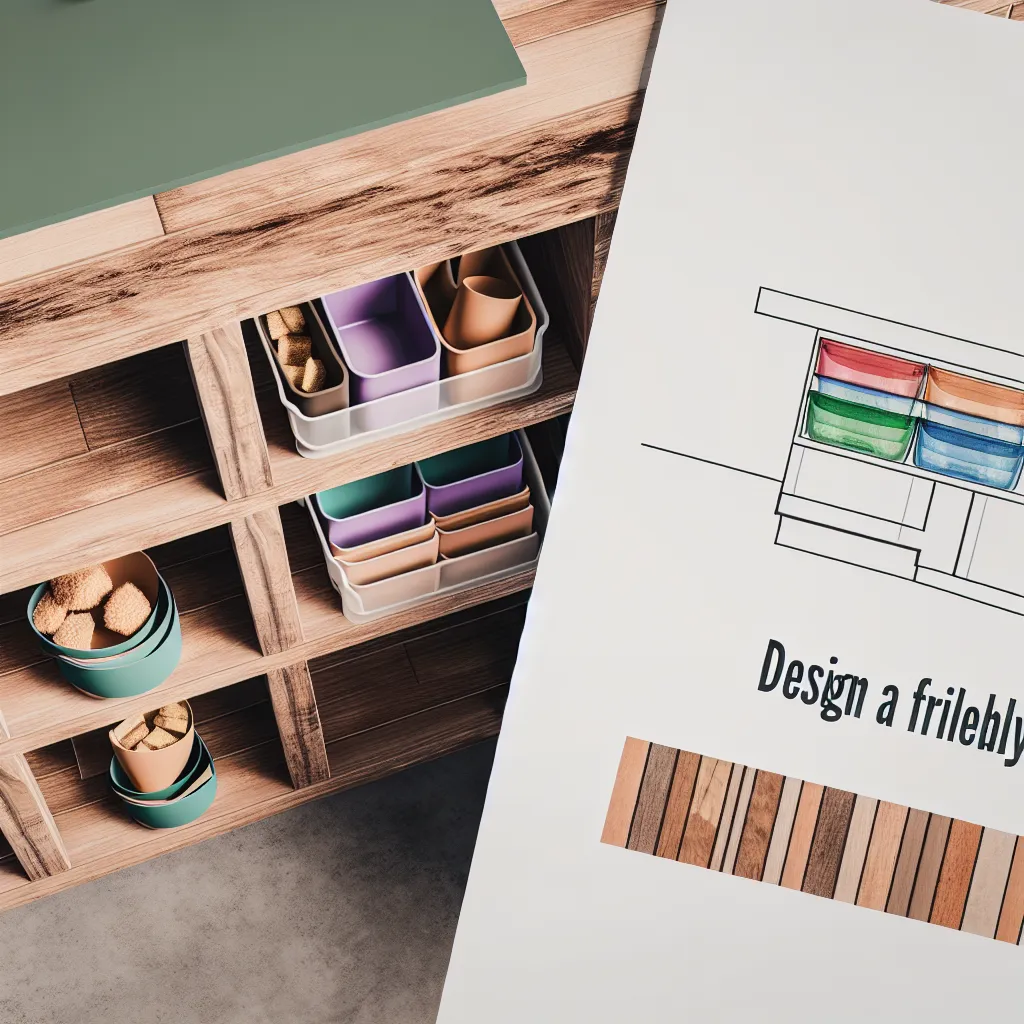
A family-friendly kitchen island balances adult efficiency with child accessibility. The goal is creating spaces where children can help and learn while maintaining overall organization and safety.
The Independent Snack Zone
Dedicate one lower drawer or cabinet section to child-accessible snacks and dishes. Include:
- Plastic cups and plates at a height children can reach
- Pre-portioned snacks in clear containers
- A small water pitcher they can manage independently
- Napkins and simple utensils
This zone reduces "Mom, can I have..." requests while teaching independence and decision-making.
Homework & Activity Station
If your island includes seating, create a designated spot for homework and activities. Store supplies in a nearby drawer:
- Crayons, markers, and colored pencils
- Paper and notebooks
- Scissors and glue sticks
- A small basket for current projects
Having supplies readily available makes the island a natural gathering spot for after-school activities while you prep dinner.
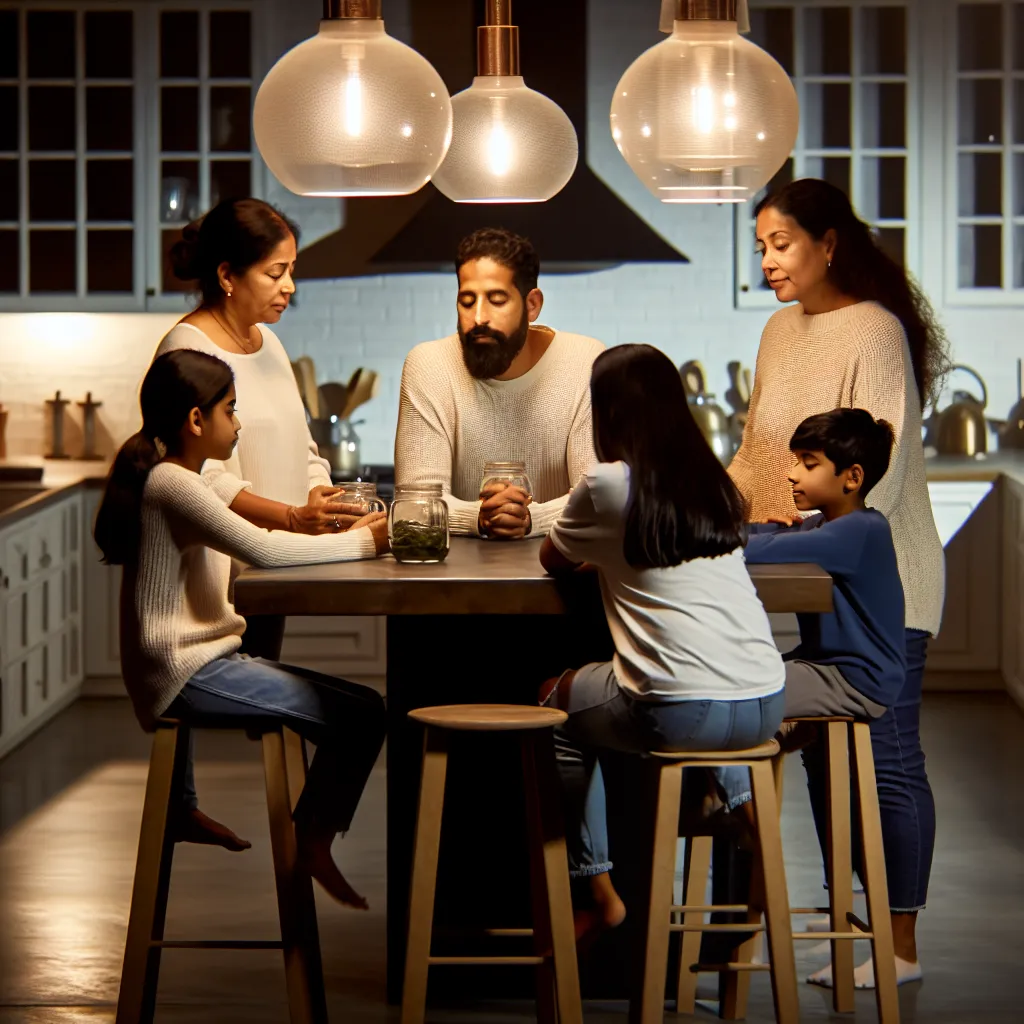
Safety Considerations
Keep dangerous items well out of reach, but don't make everything off-limits. Age-appropriate access teaches responsibility:
- Plastic measuring cups and spoons in a child-accessible drawer
- Wooden spoons and safe utensils at kid height
- Step stool stored nearby for supervised cooking help
- Clear boundaries about cooking zones vs. play zones
Teaching Organization Habits
Kids learn organization by doing, not watching. Make it easy for them to succeed:
- Picture labels for non-readers showing where items belong
- Bins and baskets that are simple to use
- Clear expectations about cleaning up before moving to the next activity
- Natural consequences when organization breaks down
Age-Adaptive Zones
As children grow, their island zones should evolve. A toddler's snack basket becomes a tween's baking supplies drawer. The homework station transforms into a laptop charging station for teens.
Plan for flexibility in your organization system. What works beautifully now will need adjustment in a year or two.
Maintaining Adult Spaces
While creating kid-friendly zones, maintain areas that belong to adults. Children need to learn that not everything is theirs to access. This teaches respect for others' spaces and belongings.
One drawer of sharp knives and adult tools isn't about secrecy—it's about appropriate boundaries and safety.
Family-Centered Organization
Our programs help you create organization systems that work for the whole family, from toddlers to teens.
Learn More